Home / Journal / Natural Aids
Yūgen and the Art of Falling Asleep
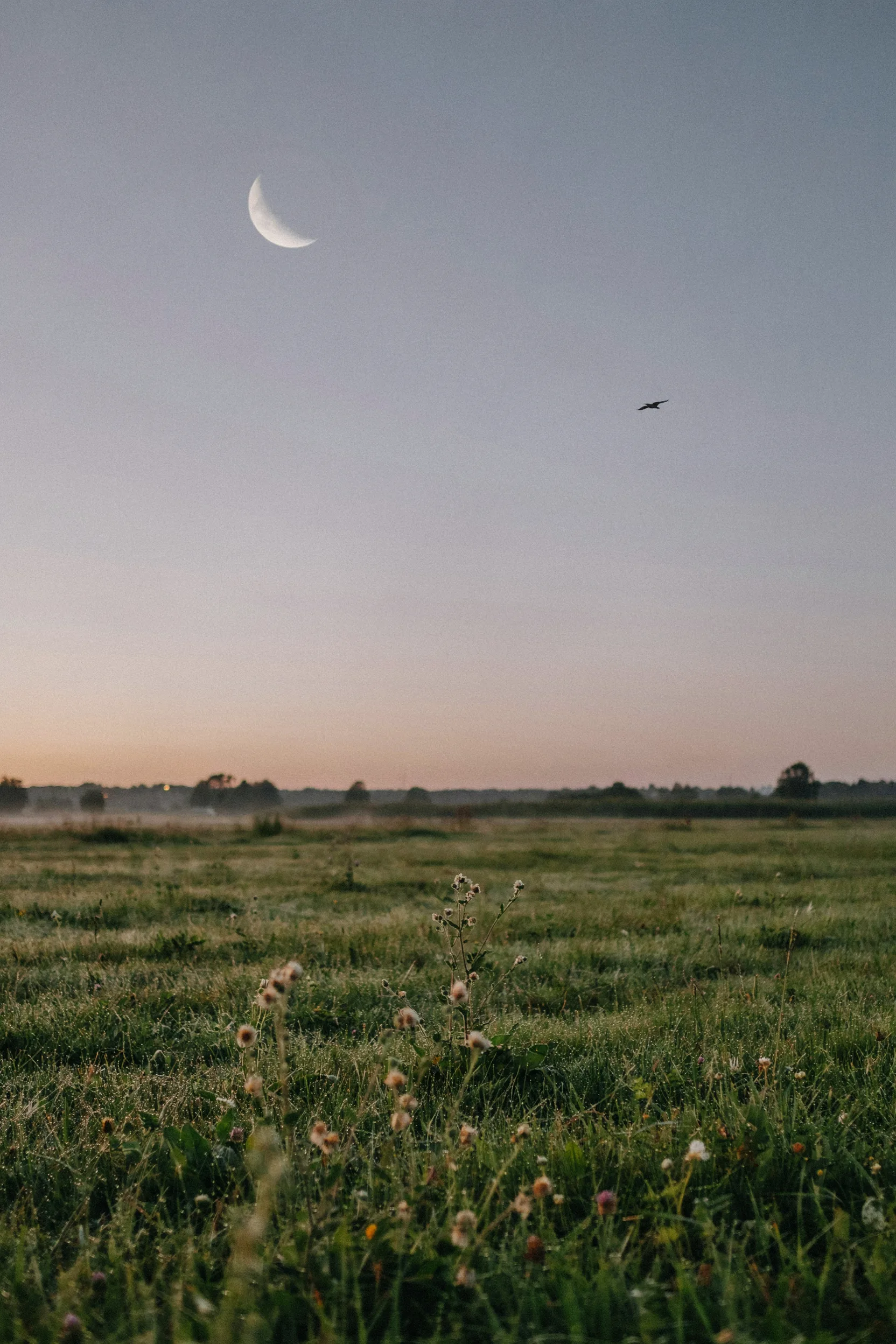
There is a word in classical Japanese aesthetics for the beauty of what is not quite shown. Yūgen. The moon behind a drift of cloud. Autumn mist closing over a mountain path. A boat disappearing behind an island, and the wake that says it was there. The medieval poets who shaped the term prized these images precisely because they withhold something, and Zeami, the great theorist of Noh drama, built an entire art on the idea that the deepest feeling lives in what a gesture only begins to say.
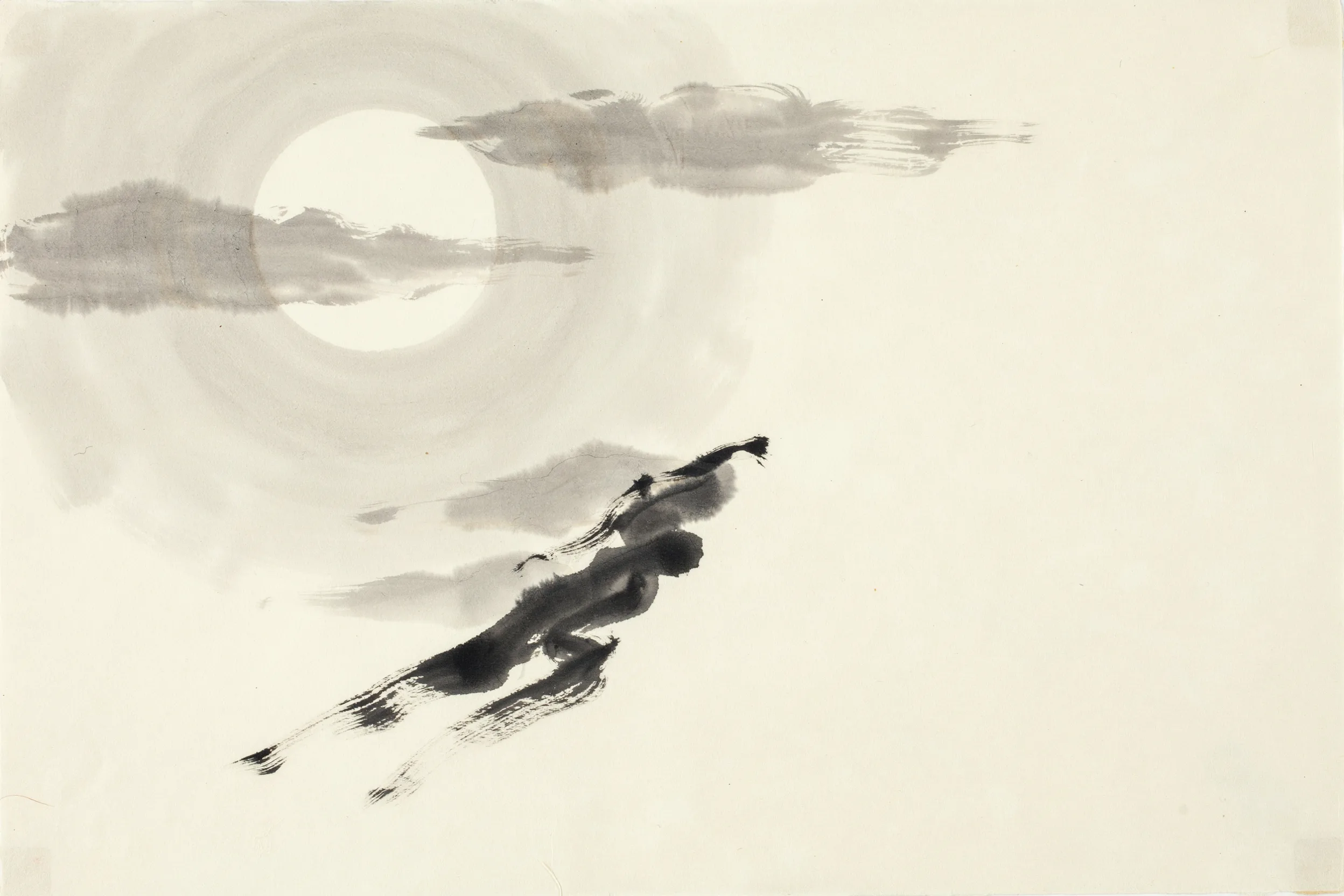
It is, when you sit with it, a teaching about sleep.
The trouble with looking directly
Sleep belongs to a small family of things that retreat when pursued. Stare at it and it steps back. Everyone who has lain awake performing the arithmetic of the alarm clock knows this: the harder you reach for sleep, the more completely you hold its absence.
The yūgen sensibility approaches from the other side. It does not ask the moon to come out from behind the cloud. It finds the cloud sufficient. The veiled thing is not a lesser version of the revealed thing; the veil is where the beauty lives. And a mind that can rest in the partial, the suggested, the unfinished, is a mind already halfway down the stairs toward sleep.
Modern sleep science, in its own vocabulary, keeps arriving at the same place. The treatments that work best for chronic sleeplessness spend remarkably little effort on sleep itself. They work on the grip: the monitoring, the effort, the demand that tonight go well. Loosen the grip and sleep, unwatched, comes out from behind its cloud on its own schedule.
An evening practiced as subtraction
Most wind-down advice is additive. Take this, install that, complete the following seven steps. An evening shaped by yūgen subtracts instead:
Dim past usefulness. Let the room become a place where things are suggested rather than shown. A lamp turned low does more than a screen turned off. It changes what kind of seeing the hour asks of you.
Leave something unfinished. The chapter half-read, the thought half-followed. The old poets ended verses on an image and let the silence complete them. An evening can end the same way. Finished things ask to be evaluated; unfinished things ask nothing.
Listen past the room. Somewhere outside there is a sound with no message in it. Rain, wind, a cricket keeping its small time in the dark. In Japan, crickets were once kept in cages by the bedside for exactly this, their song a companion to the edge of sleep. A sound you cannot use is a sound you can rest inside.
Let the night stay partly hidden. Don't check the hour. The clock is the enemy of the veiled. It drags the night into full light and hands you the arithmetic again. What time it is belongs to tomorrow.
The moon you don't look at
There's a quiet joke inside the tradition: the poems most celebrated for their moons rarely show one plainly. Cloud, mist, reflection, the memory of last month's moon. The thing itself is optional. The turning-toward is everything.
Sleep works the same way. You cannot make it appear, and every technique on this site, every mineral and tea and cool dark room, is finally just a way of arranging the clouds kindly and then not staring. The practices matter. The not-staring matters more.
So tonight, when the light is low and the book is half-read and something small is singing in the dark, let the last thing you do be nothing at all. The moon comes out when the courtyard is empty. It always has.
FAQ
Is yūgen a sleep technique?
No. It's a sensibility, a way of regarding the evening that happens to remove the staring, and the staring was the problem. The techniques live elsewhere on this site. This is the temperament that lets them work.
How is it pronounced?
"YOO-gen," with a hard g, the first syllable held a little long. Though a word about the half-hidden survives mispronunciation better than most.
Where does the idea come from?
Classical Japanese poetics: the medieval court poets first, and later Zeami's writings on Noh drama, where it names the depth a performance suggests without stating. It was never a rulebook, which is why it still works.
Essay, not medical advice. If sleeplessness is wearing down your days, a clinician can help, and the veiled moon and good treatment are not rivals.
Some links on the guides we point you to may be affiliate links; if you buy through one, Cricket & Moon may earn a small commission at no extra cost to you.